Currently Empty: € 0,00
(4-Month Structured Program)
Purpose
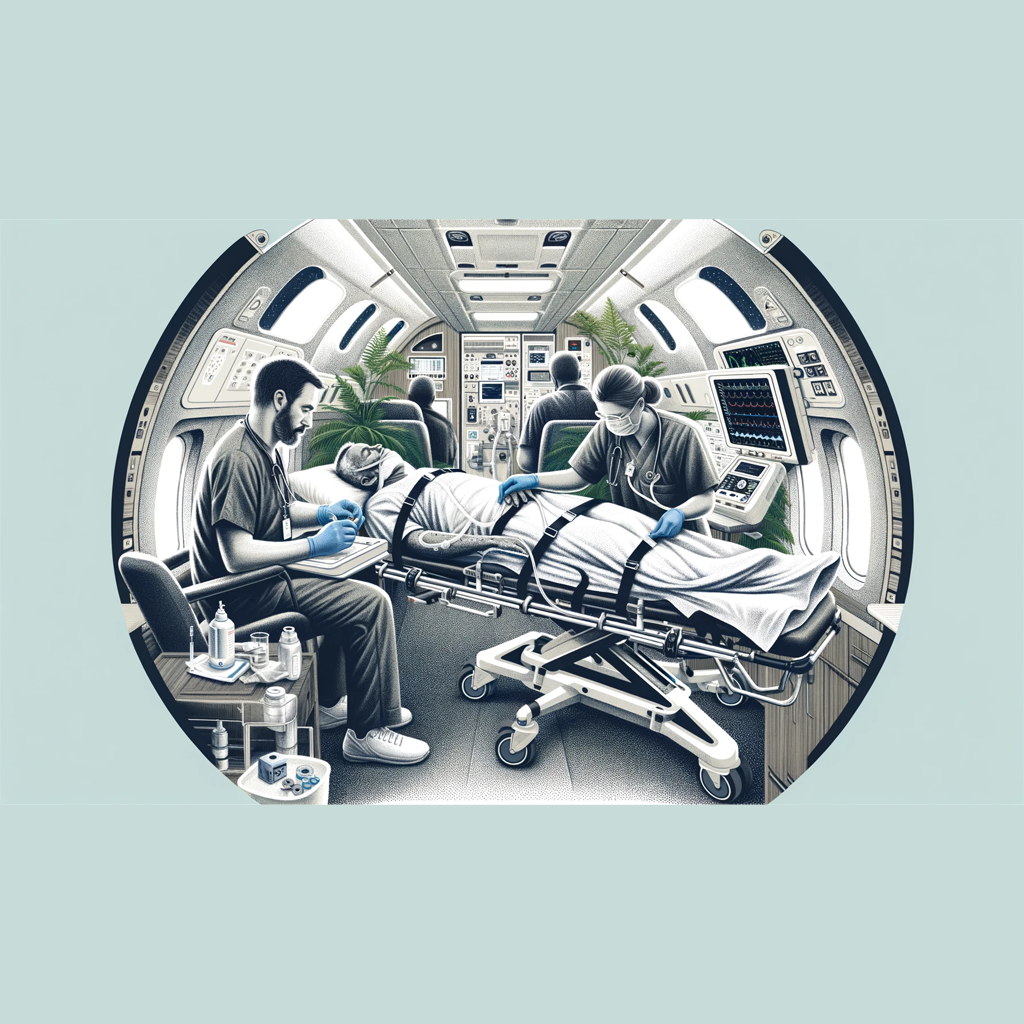
The Aeromedical Professional Certification is a structured, advanced-level program designed to provide comprehensive expertise in the medical, physiological, psychological, and operational dimensions of air medical evacuation.
Participants acquire the scientific knowledge, operational competence, and decision-making skills required to support, coordinate, and perform aeromedical missions in both military and civilian environments.
The program integrates:
- Flight physiology and aerospace medicine principles
- Aviation safety and human factors
- Clinical management of patients in air transport
- Operational planning and mission coordination
This certification is designed not only to educate — but to prepare professionals for real-world aeromedical environments.
Program Structure
Duration: 4 Months
Format: Fully Online
Assessment: Module-based evaluation + final assessment
Minimum Passing Score: 70% overall
Core Modules
The Aeromedical Professional Certification is structured around nine integrated Core Modules, forming the academic and operational foundation of the program:
- Introduction to Air Aviation
History, principles, global structures, and operational models of air medical evacuation systems. - Flight Physiology
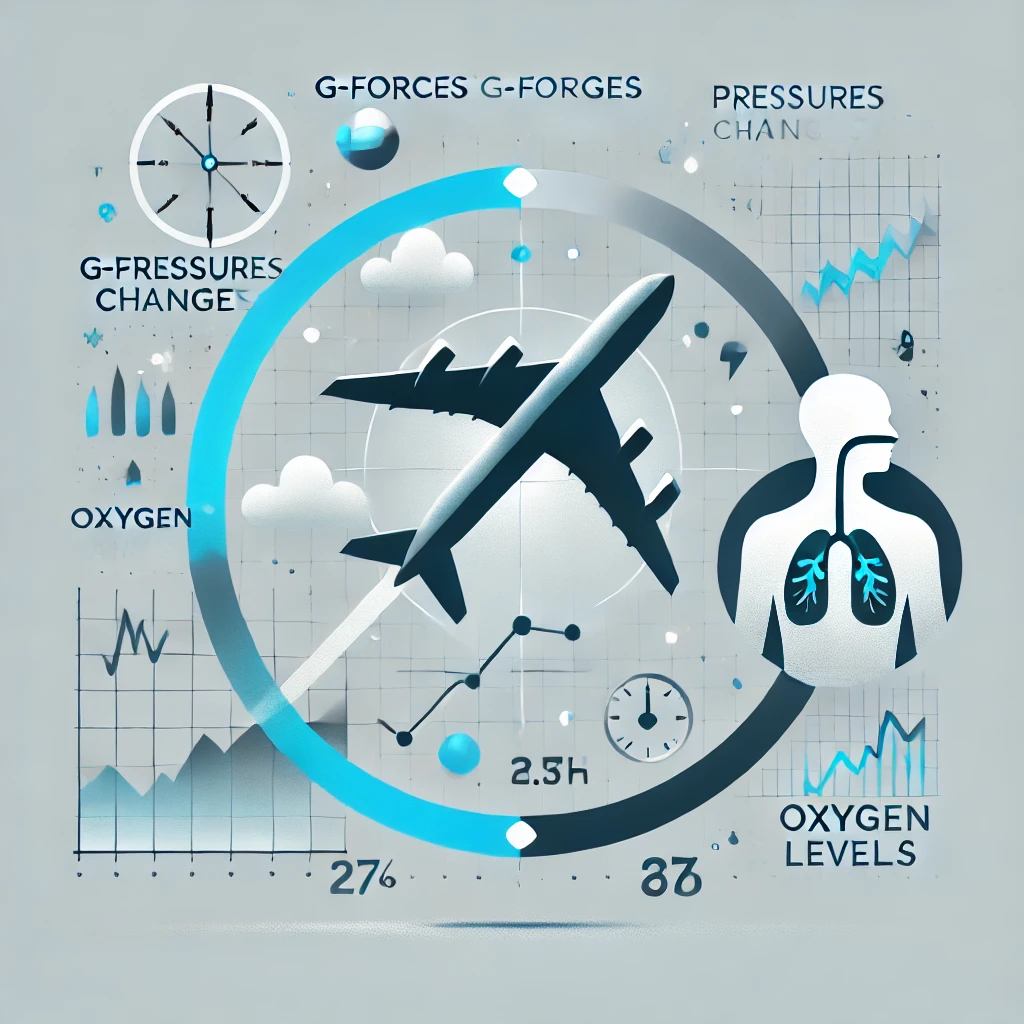
Physiological effects of altitude, acceleration, hypoxia, decompression, and cabin pressure changes on patients and crew. - Medical Aviation Safety
Risk assessment, in-flight emergency protocols, crew coordination, and aviation safety frameworks. - Aviation Psychology
Human performance, stress management, fatigue, cognitive workload, and decision-making under operational pressure. - Clinical Characteristics of Patients by System
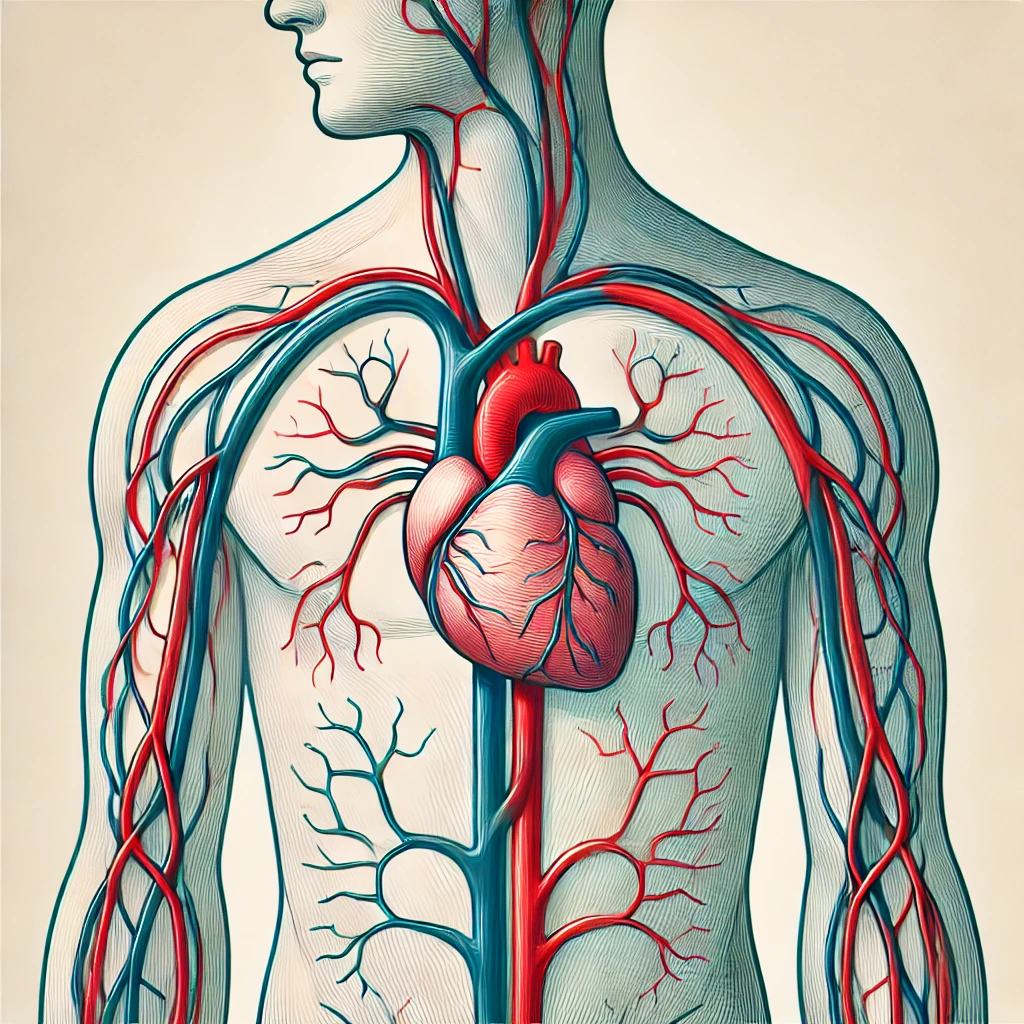
Aeromedical management protocols for neurological, cardiovascular, pediatric, obstetric, trauma, infectious, and critical care patients. - Organizing Medical Aviation
Pre-flight preparation, mission planning, oxygen calculations, equipment configuration, communication flow, and operational logistics. - Crisis Management
Strategic response to mass-casualty incidents, disaster scenarios, military contingencies, and high-risk deployments. - Trauma Management – General Rules
Aeromedical trauma principles, damage control strategies, in-flight stabilization, and time-critical intervention protocols. - Resource Management
Crew Resource Management (CRM), human factors integration, cost-awareness in mission planning, and operational efficiency in high-stakes environments.
Certification Awarded
Upon successful completion (minimum 70% overall score), participants are awarded the:
Aeromedical Professional Certification
Issued by the Flight Med Institute
This certification demonstrates structured training in aeromedical systems, operational readiness, and clinical management in aviation environments.
It may be used to support professional development in:
- Military and Civil Air Medical Evacuation Units
- Emergency & Disaster Response Teams
- Airline or Private Medical Transport Services
- Hospitals with Air Transfer Capabilities
- Humanitarian & Peacekeeping Operations
- Aviation Safety & Operational Coordination Roles
The certification serves as a professional credential within aeromedical and aviation-health environments and strengthens eligibility for advanced operational roles.
Certification Validity & Renewal
The Aeromedical Professional Certification is valid for three (3) years.
To maintain active status, graduates must complete a structured Recertification / Refresh Program every three years, ensuring alignment with updated guidelines, safety standards, and operational advancements.
During the 3-year period, certified professionals maintain access to program updates.
Exclusive Benefits Included in the Full Certification Package
Full Certification Package: €2,200
Includes:
- All Core Modules
- Complete educational materials
- Official Institute textbooks provided free of charge
- The official Flight Med Institute Medal, delivered to the graduate’s address
- Structured academic supervision
- The right to schedule unlimited online mentoring sessions with faculty members of their choice for academic clarification and professional guidance throughout the program
- Final Aeromedical Professional Certification
This structure reflects a mentorship-based professional pathway — not a self-study course.
Professional Outlook
Graduates of the Aeromedical Professional Certification are positioned for roles in high-demand operational environments.
Across Europe and international contexts, approximate annual salary ranges include:
| Role | Average Annual Salary (Approx.) |
| Aeromedical Doctor / Flight Physician | €70,000 – €110,000 |
| Flight Nurse / Aeromedical Nurse | €45,000 – €80,000 |
| Paramedic / Aeromedical Rescuer | €35,000 – €55,000 |
Compensation varies depending on country, employer type (military, public, private), and operational risk level.
International missions may include additional benefits such as allowances, accommodation, and insurance coverage.
A Professional Pathway, Not Just a Course
The Aeromedical Professional Certification provides:
- Scientific foundation
- Operational readiness
- Structured mentorship
- International accessibility
- Long-term professional credibility
It represents a structured entry into the field of aeromedical operations for those committed to excellence in air-based healthcare missions worldwide.
2200
€ 2.200,00