Currently Empty: € 0,00
🧠Flight Physiology Course
Purpose
The Flight Physiology Course provides participants with essential knowledge about the physiological mechanisms that affect the human body during flight.
It explores how environmental and physical factors such as altitude, pressure, and acceleration influence bodily functions and performance, preparing healthcare and aviation personnel to recognize and manage flight-related physiological stressors.
This course forms the scientific foundation of all aeromedical operations, bridging medical science with aviation performance and safety.
Course Modules
- Atmosphere – Composition, layers, and how changes in atmospheric pressure affect respiration and circulation.
- Gas Laws – Application of Boyle’s, Dalton’s, and Henry’s laws to the human body in flight; implications for cabin pressurization and gas expansion.
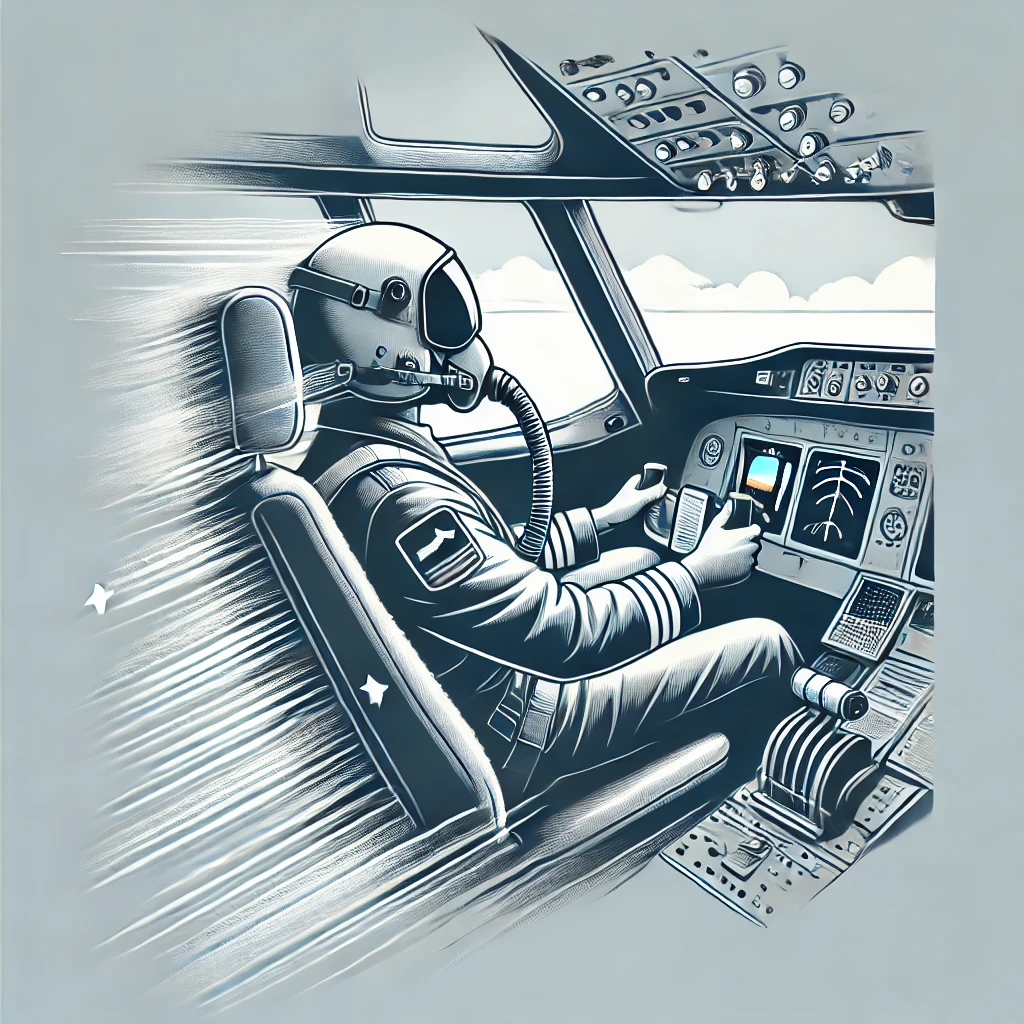
- Accelerations – The impact of G-forces on the human body, visual disturbances, and loss of consciousness (G-LOC); countermeasures and safety principles.
Professional Prospects
Completion of the Flight Physiology Course enables participants to:
- Understand and monitor the physiological limits of flight personnel and patients.
- Support aeromedical evacuation teams in recognizing altitude-related symptoms such as hypoxia, decompression sickness, and spatial disorientation.
- Apply physiological principles in flight medicine, aerospace nursing, and aviation safety programs.
This course is particularly beneficial for flight nurses, military medical staff, emergency physicians, and aviation professionals involved in high-altitude or operational environments.
Cost and Discount Policy
- Course Fee: €70
- Includes all digital materials and certification of attendance.
70
€ 70,00