Currently Empty: € 0,00
🏥 Clinical Characteristics of Patients by System Course
Purpose
The Clinical Characteristics of Patients by System Course provides in-depth medical knowledge on the unique clinical needs of patients undergoing air evacuation.
Participants learn to recognize, assess, and manage patients with a broad range of medical conditions, ensuring safe stabilization and transfer during flight operations.
This course integrates clinical medicine with aeromedical principles, preparing healthcare professionals to make informed decisions under the physiological and logistical constraints of air transport.
Course Modules
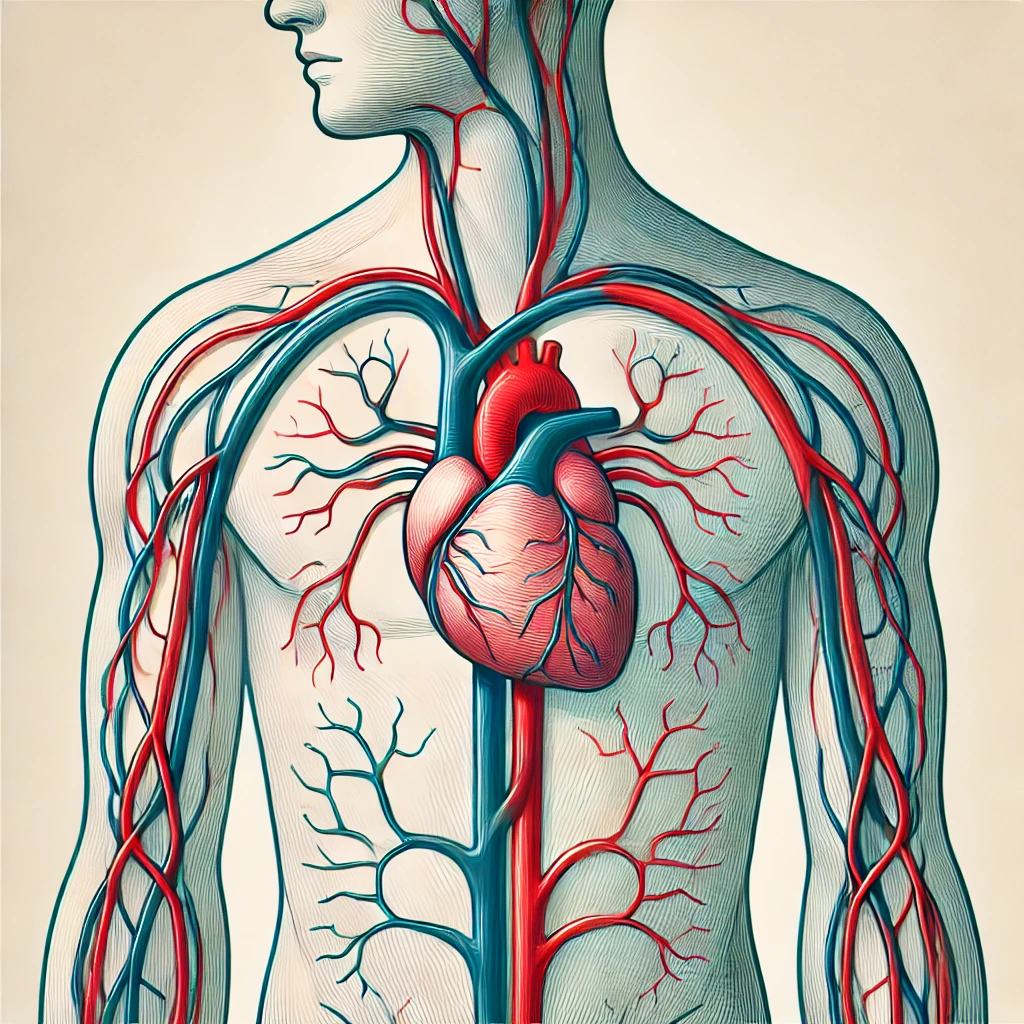
- Circulatory System – Hemodynamic stability, cardiac emergencies, and inflight monitoring.
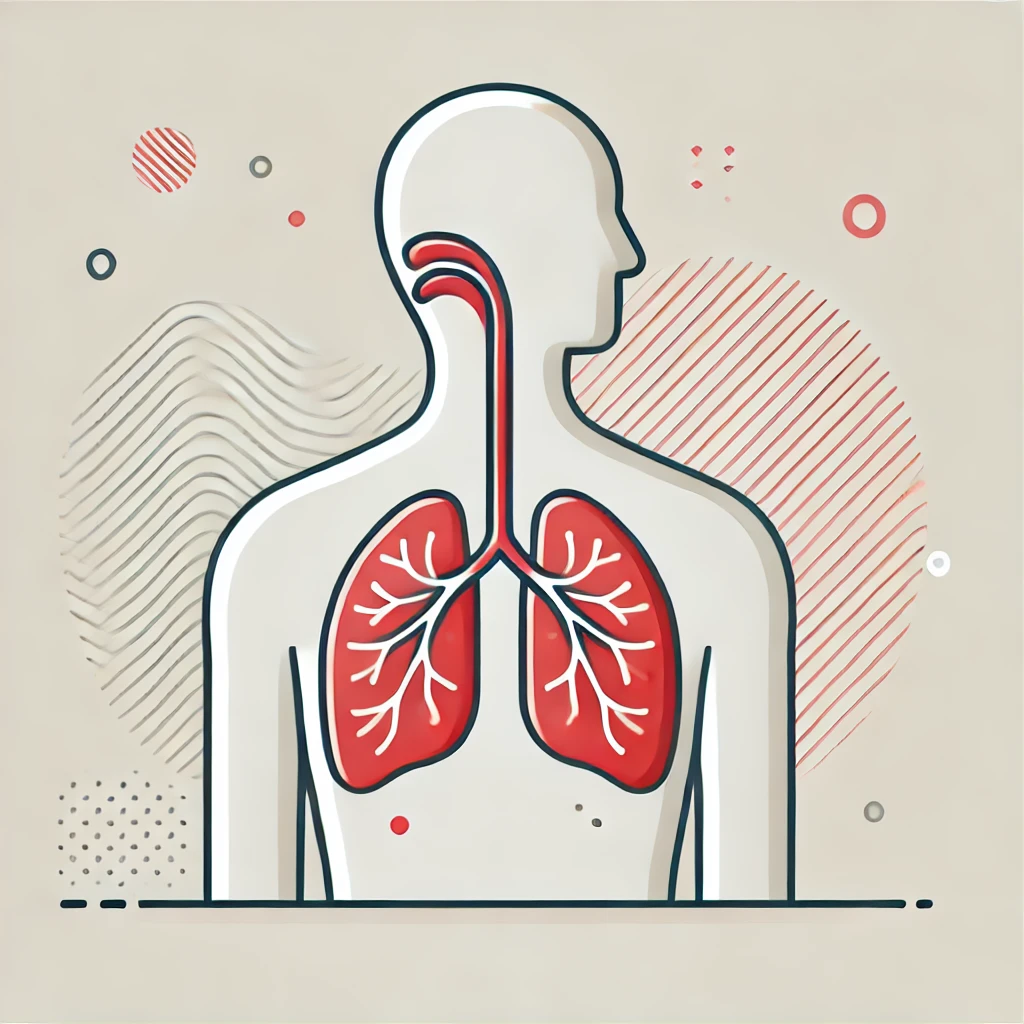
- Respiratory & Circulatory System – Oxygenation management, ventilatory support, and pressure effects on gas exchange.
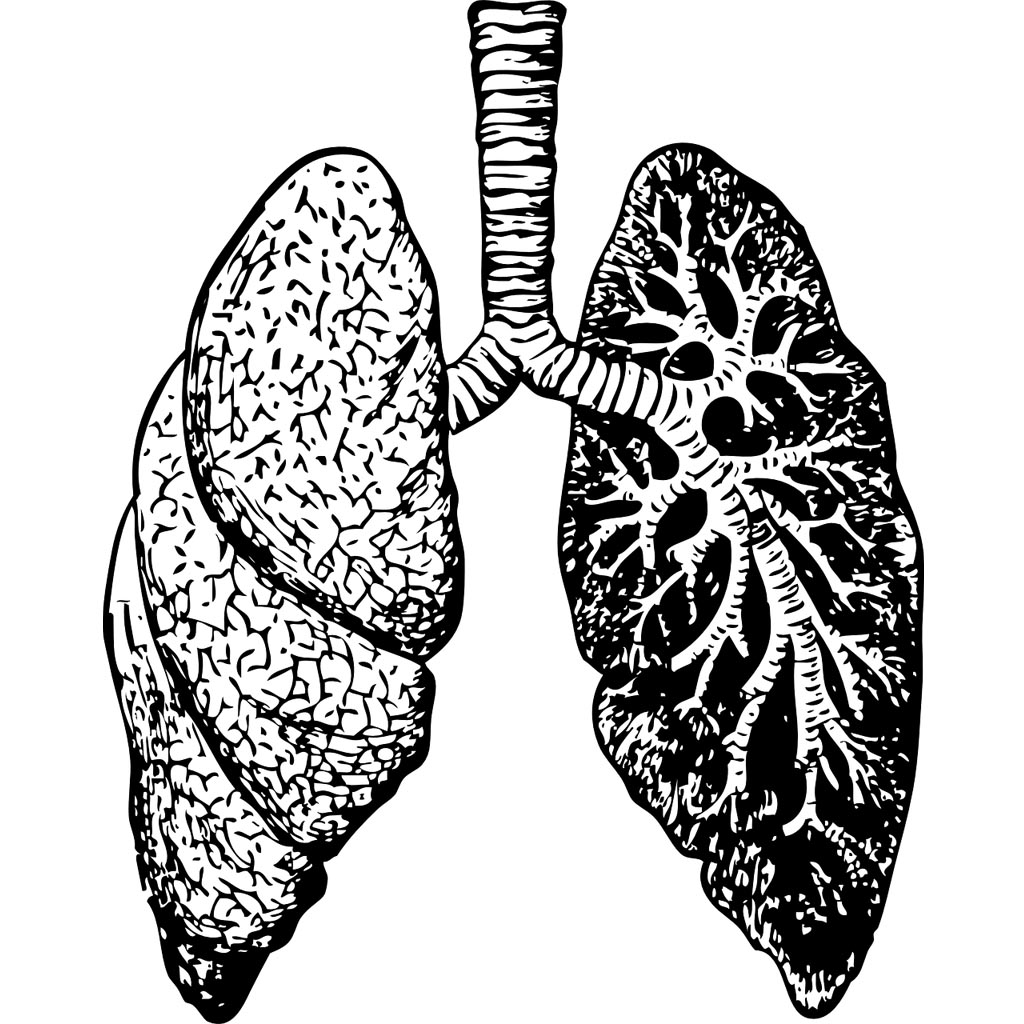
- Respiratory Diseases – Asthma, COPD, and acute respiratory distress during transport.
- Gastroenteric Diseases – Gastrointestinal complications and precautions in altitude conditions.
- Neurological Disorders – Seizures, stroke, head injuries, and neurocritical patient handling.
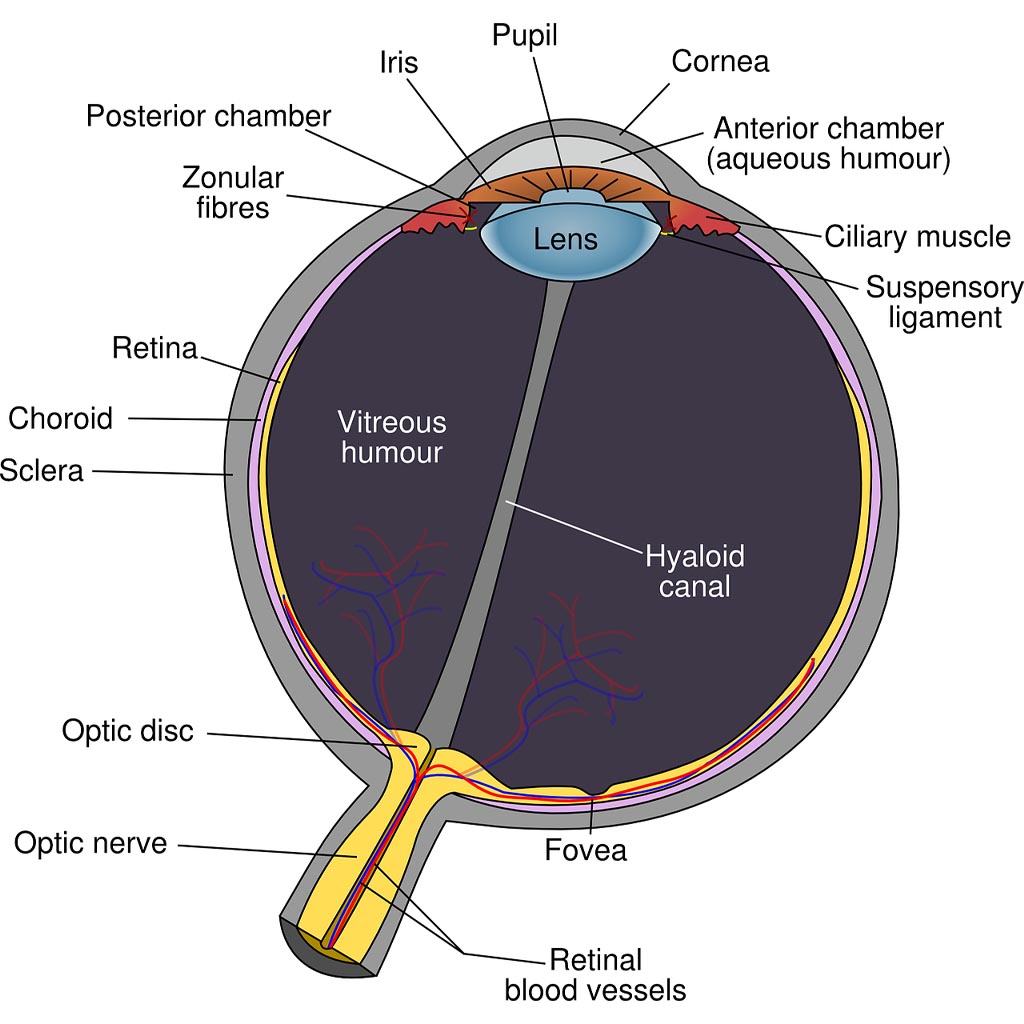
- Ophthalmological Diseases – Pressure effects and contraindications for air transport.
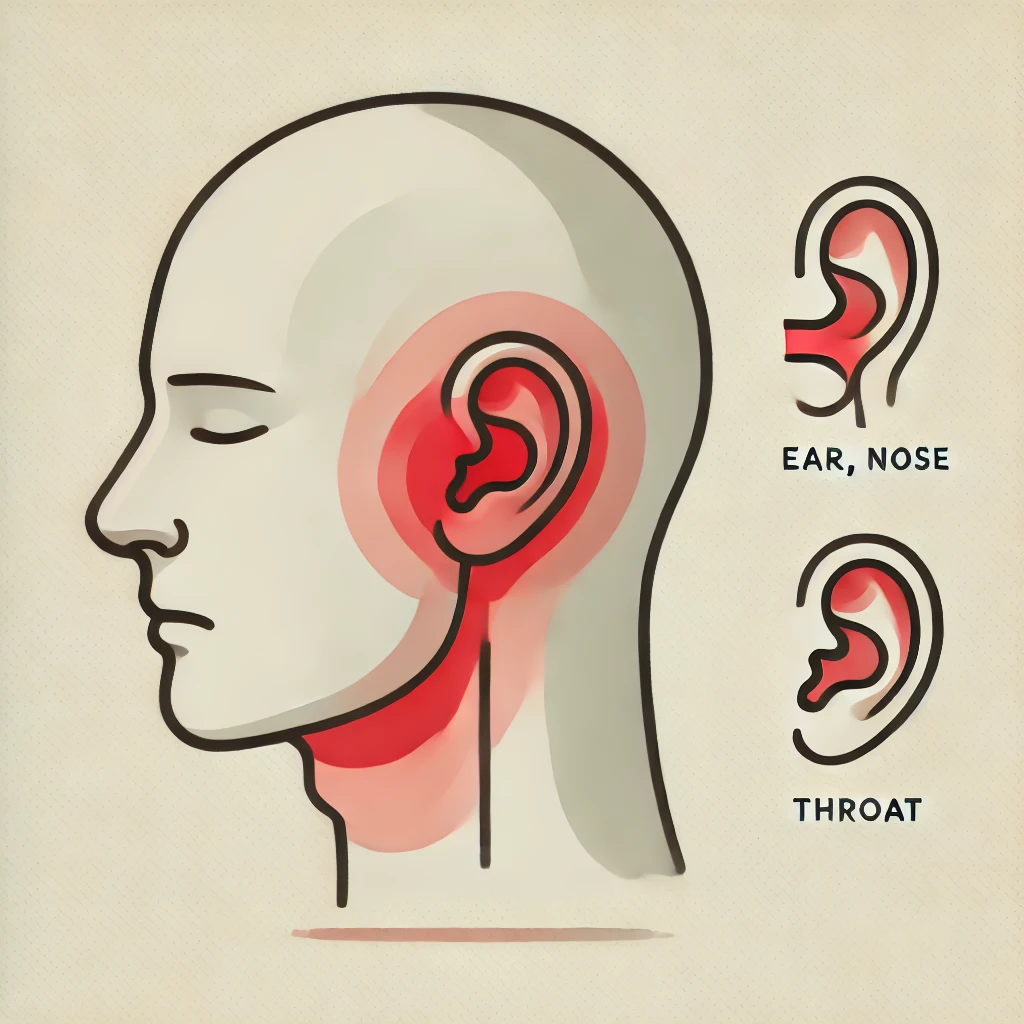
- Otorhinolaryngological Diseases – Sinus, ear, and barometric complications during ascent and descent.
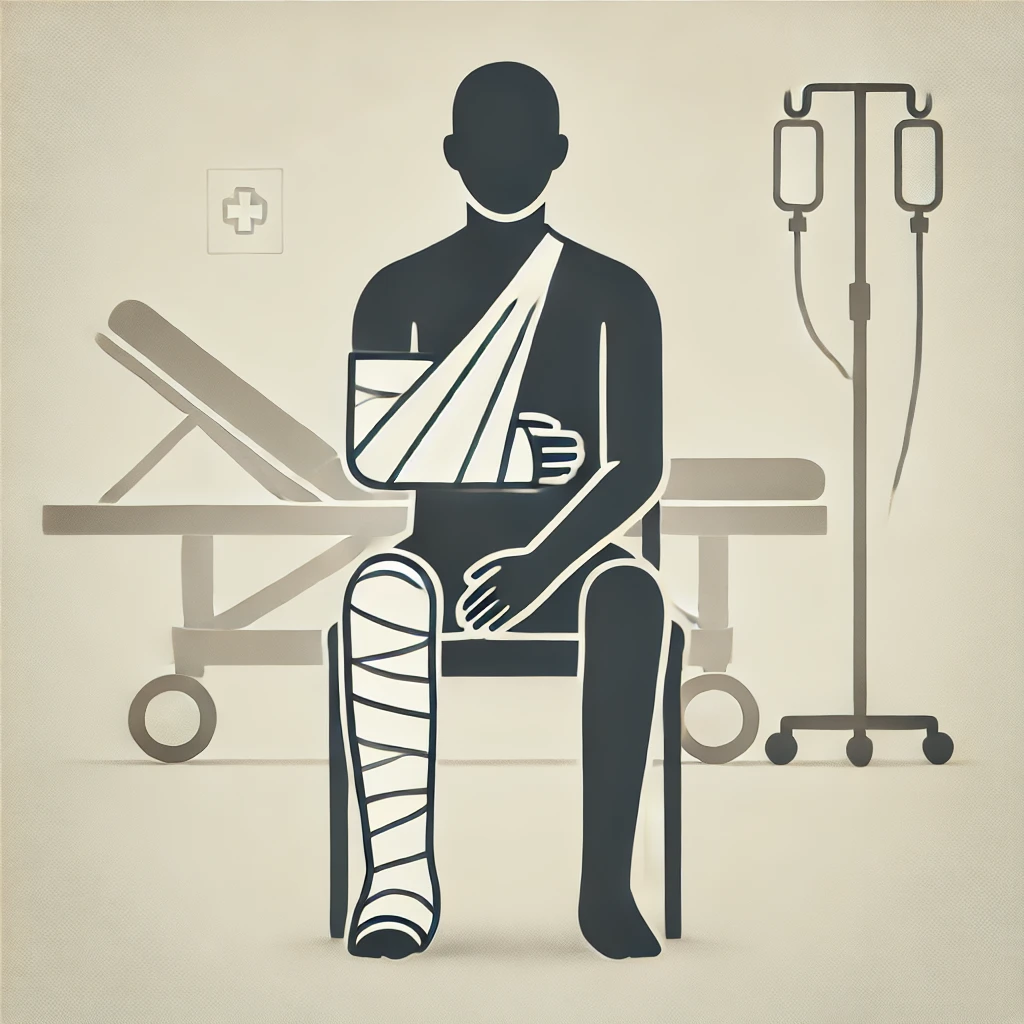
- Musculoskeletal System – Fracture immobilization and musculoskeletal trauma management.
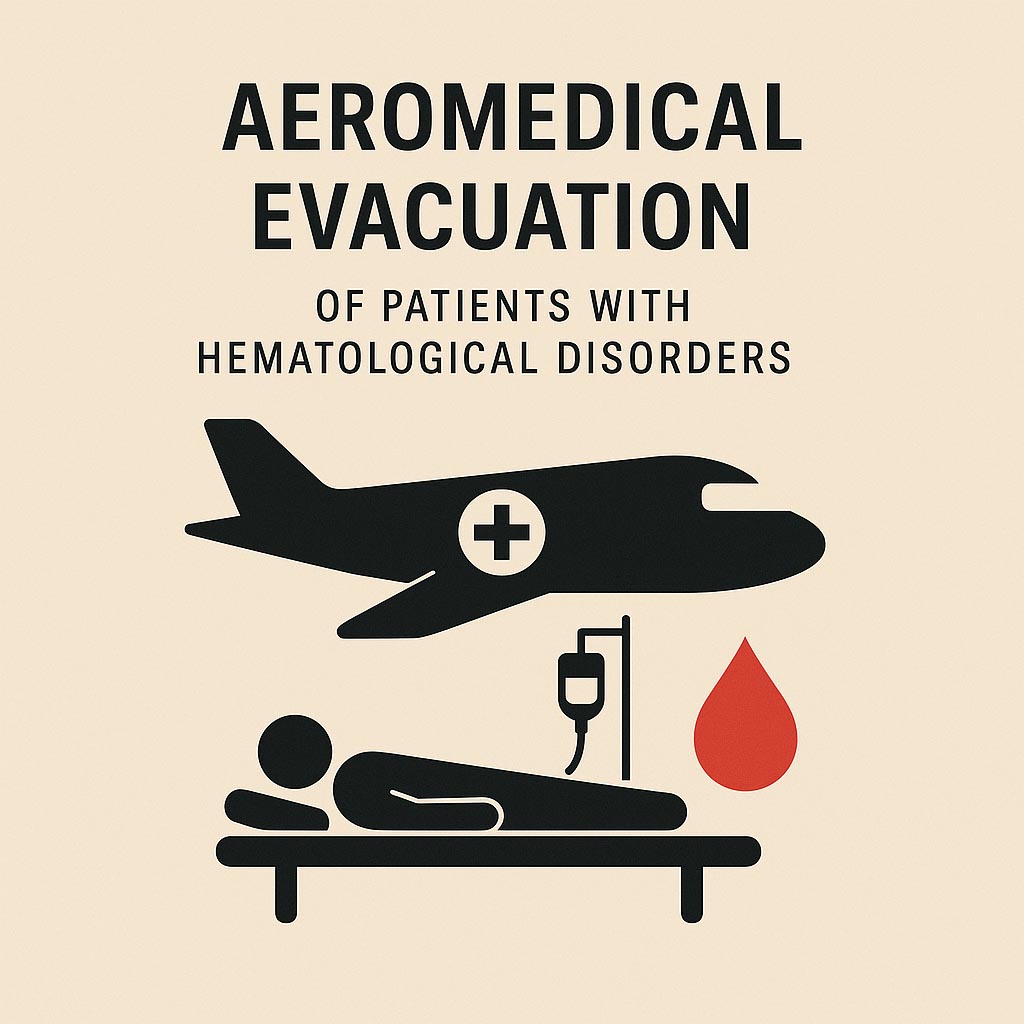
- Haematological Disorders – Management of anemia, coagulopathies, and transfusion requirements in flight.
- Infectious Diseases – Isolation, containment, and biosafety measures during transport.
- Pediatric Patient – Assessment and stabilization of children in air evacuation.
- Pregnant Patient – Safety, contraindications, and physiological changes in flight.
- Tooth Injuries – Dental emergencies and barotrauma-related issues.
- Nausea and Motion Sickness – Prevention and treatment of motion-related symptoms.
- Shock – Recognition and management of hypovolemic, cardiogenic, and septic shock in flight conditions.
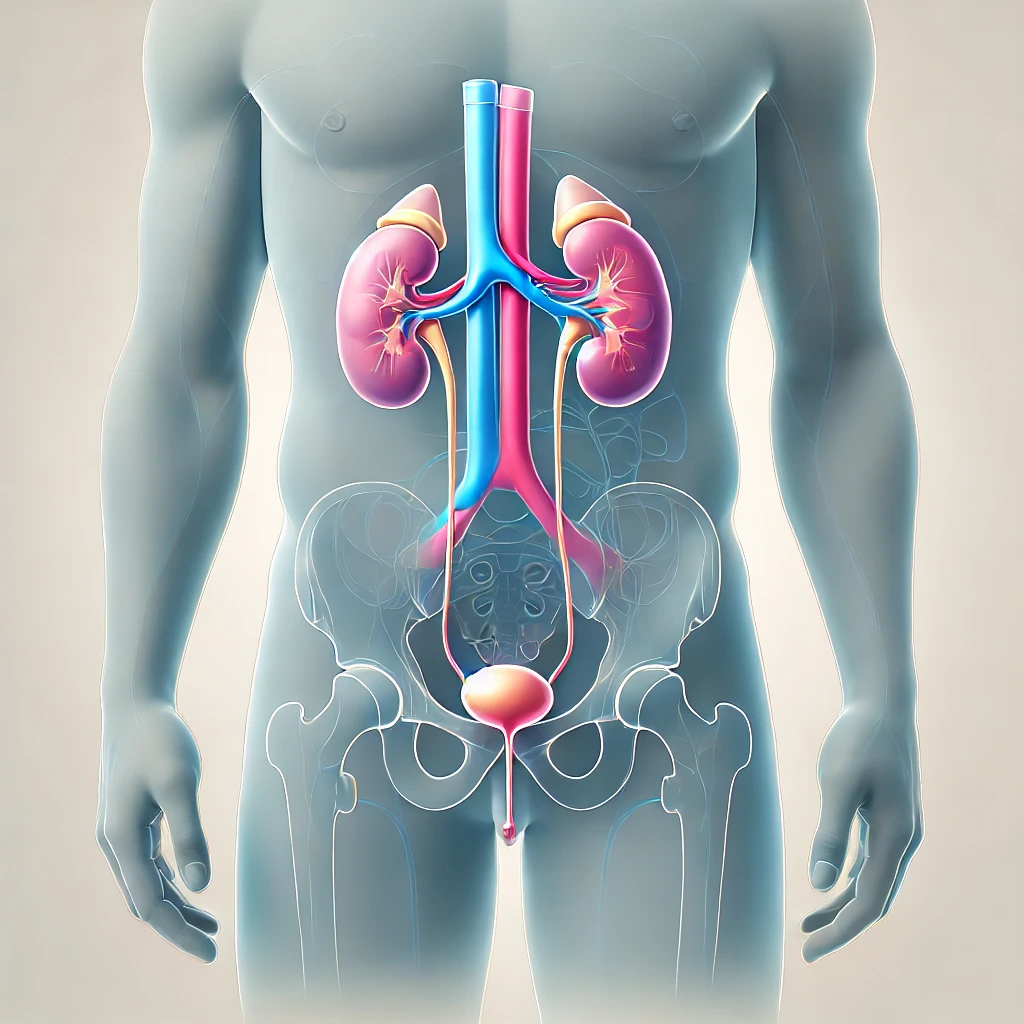
- Urological Problems – Catheter management and fluid balance in limited-resource settings.
- Neonatal Patient – Incubator use, thermal control, and respiratory monitoring.
- Burn Patient – Fluid resuscitation, infection control, and transport precautions.
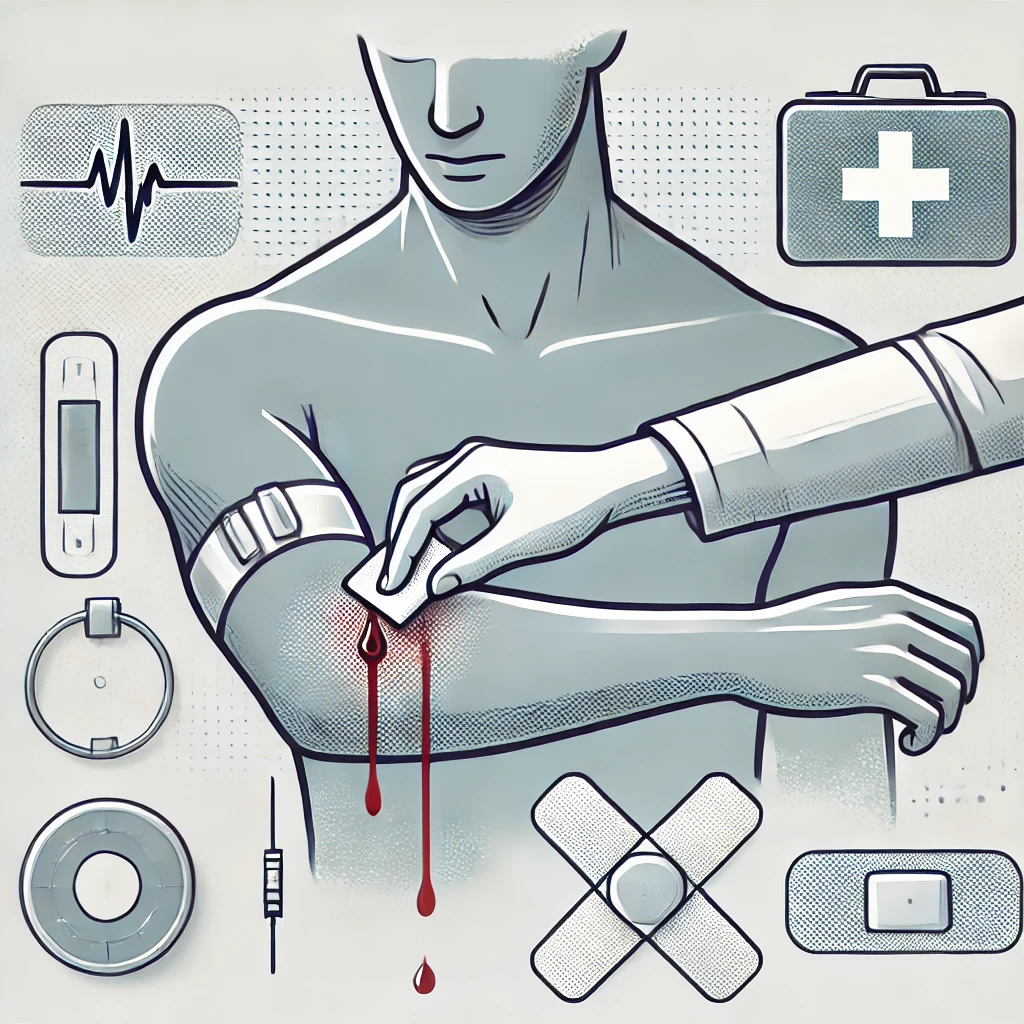
- Hemorrhagic Episode Management – Rapid intervention protocols and bleeding control techniques.
Professional Prospects
Graduates of the Clinical Characteristics of Patients by System Course will be prepared to serve in:
- Aeromedical and Air Ambulance Units
- Emergency and Intensive Care Departments
- Military and Humanitarian Medical Missions
- Hospital Transport Coordination Teams
This course is a cornerstone for nurses, physicians, and paramedics seeking advanced expertise in aeromedical transport medicine, providing them with the competence to ensure patient safety across multiple clinical domains.
Cost and Discount Policy
- Course Fee: €1,800
- Includes access to all modules, training materials, and certification of completion.
1800
€ 1.800,00