Skip to content
support@flightmedinstitute.com
+306947430102
Follow Us :
Flight Med Institute
  • Aeromedical Professional Certification
  • Core Modules
    • 1. Introduction to Air Aviation
    • 2. Flight Physiology
    • 3. Medical Aviation Safety
    • 4. Aviation Psychology
    • 5. Clinical Characteristics of Patients by System
    • 6. Organizing Medical Aviation
    • 7. Crisis Management
    • 8. Trauma Management / General Rules
    • 9. Resources Management
  • Foundation Courses
      • 1.1 History
      • 1.2 Aircraft and flight crews
      • 2.1 The Earth’s atmosphere
      • 2.2 Gas lows
      • 2.3 Acceleration G- Force
      • 3.1 Aircraft Emergencies
      • 3.2 Crew safety
      • 3.3 Compression / Decompression cabin
      • 3.4 Decompression sickness
      • 3.5 Orientation
      • 3.6 The safety and protection of the crew
      • 3.7 Alcohol
      • 3.8 Diet and exercise
      • 3.9 Fatique
      • 3.10 Hypoxia
      • 3.11 Sleep and Circadian Rhythms
      • 4.1 Aviation psychology
      • 4.2 Aviation psychology analysis
      • 4.3 Mental health
      • 5.1 Circulatory System
      • 5.2 Respiratory & Circulatory system
      • 5.3 Respiratory Diseases
      • 5.4 Diseases of Gastrederic
      • 5.5 Neurological
      • 5.6 Othalmological diseases
      • 5.7 Otorinological diseases
      • 5.8 Musculoskeletal System
      • 5.9 Haematological Disorders
      • 5.10 Infectious Diseases
      • 5.11 Pediatric Patient
      • 5.12 Pregnant
      • 5.13 Tooth Injuries
      • 5.14 Nausea
      • 5.15 Shock
      • 5.16 Urological problems
      • 5.17 Neonatal patient
      • 5.18 Burning patient
      • 5.19 Hemorrhagic Episode Management
      • 6.1 Organizing medical aviation
      • 6.2 Organizing a medical evacuation
      • 6.3 Calculation of oxygen needs
      • 6.4 Flight Stress
      • 6.5 Specialized Equipment
      • 6.6 Placing Billau
      • 6.7 Using Ambu
      • 6.8 Decompression Law
      • 7.1 Triage
      • 7.2 Treatment in Tactical field
      • 7.3 Biological war
      • 8.1 Introduction to trauma
      • 8.2 Allergies & Allergy Emergencies
      • 8.3 Anaphylaxis
      • 8.4 Diabetes
      • 8.5 Thermoregulation
      • 8.6 Injuries Fractures
      • 8.7 Cardiovascular diseases
      • 8.8 BLS
      • 8.9 Fainting syncope
      • 8.10 Neurological Emergencies in Trauma
      • 8.11 Choking
      • 9.1 CRM
      • 9.2 MRM
      • 9.3 ORM
      • 9.4 Human Error
      • 1.1 History
      • 1.2 Aircraft and flight crews
      • 2.1 The Earth’s atmosphere
      • 2.2 Gas lows
      • 2.3 Acceleration G- Force
      • 3.1 Aircraft Emergencies
      • 3.2 Crew safety
      • 3.3 Compression / Decompression cabin
      • 3.4 Decompression sickness
      • 3.5 Orientation
      • 3.6 The safety and protection of the crew
      • 3.7 Alcohol
      • 3.8 Diet and exercise
      • 3.9 Fatique
      • 3.10 Hypoxia
      • 3.11 Sleep and Circadian Rhythms
      • 4.1 Aviation psychology
      • 4.2 Aviation psychology analysis
      • 4.3 Mental health
      • 5.1 Circulatory System
      • 5.2 Respiratory & Circulatory system
      • 5.3 Respiratory Diseases
      • 5.4 Diseases of Gastrederic
      • 5.5 Neurological
      • 5.6 Othalmological diseases
      • 5.7 Otorinological diseases
      • 5.8 Musculoskeletal System
      • 5.9 Haematological Disorders
      • 5.10 Infectious Diseases
      • 5.11 Pediatric Patient
      • 5.12 Pregnant
      • 5.13 Tooth Injuries
      • 5.14 Nausea
      • 5.15 Shock
      • 5.16 Urological problems
      • 5.17 Neonatal patient
      • 5.18 Burning patient
      • 5.19 Hemorrhagic Episode Management
      • 6.1 Organizing medical aviation
      • 6.2 Organizing a medical evacuation
      • 6.3 Calculation of oxygen needs
      • 6.4 Flight Stress
      • 6.5 Specialized Equipment
      • 6.6 Placing Billau
      • 6.7 Using Ambu
      • 6.8 Decompression Law
      • 7.1 Triage
      • 7.2 Treatment in Tactical field
      • 7.3 Biological war
      • 8.1 Introduction to trauma
      • 8.2 Allergies & Allergy Emergencies
      • 8.3 Anaphylaxis
      • 8.4 Diabetes
      • 8.5 Thermoregulation
      • 8.6 Injuries Fractures
      • 8.7 Cardiovascular diseases
      • 8.8 BLS
      • 8.9 Fainting syncope
      • 8.10 Neurological Emergencies in Trauma
      • 8.11 Choking
      • 9.1 CRM
      • 9.2 MRM
      • 9.3 ORM
      • 9.4 Human Error
  • Professional Courses
  • Account
0

Currently Empty: € 0,00

Continue shopping

Flight Med Institute
  • Aeromedical Professional Certification
  • Core Modules
    • 1. Introduction to Air Aviation
    • 2. Flight Physiology
    • 3. Medical Aviation Safety
    • 4. Aviation Psychology
    • 5. Clinical Characteristics of Patients by System
    • 6. Organizing Medical Aviation
    • 7. Crisis Management
    • 8. Trauma Management / General Rules
    • 9. Resources Management
  • Foundation Courses
      • 1.1 History
      • 1.2 Aircraft and flight crews
      • 2.1 The Earth’s atmosphere
      • 2.2 Gas lows
      • 2.3 Acceleration G- Force
      • 3.1 Aircraft Emergencies
      • 3.2 Crew safety
      • 3.3 Compression / Decompression cabin
      • 3.4 Decompression sickness
      • 3.5 Orientation
      • 3.6 The safety and protection of the crew
      • 3.7 Alcohol
      • 3.8 Diet and exercise
      • 3.9 Fatique
      • 3.10 Hypoxia
      • 3.11 Sleep and Circadian Rhythms
      • 4.1 Aviation psychology
      • 4.2 Aviation psychology analysis
      • 4.3 Mental health
      • 5.1 Circulatory System
      • 5.2 Respiratory & Circulatory system
      • 5.3 Respiratory Diseases
      • 5.4 Diseases of Gastrederic
      • 5.5 Neurological
      • 5.6 Othalmological diseases
      • 5.7 Otorinological diseases
      • 5.8 Musculoskeletal System
      • 5.9 Haematological Disorders
      • 5.10 Infectious Diseases
      • 5.11 Pediatric Patient
      • 5.12 Pregnant
      • 5.13 Tooth Injuries
      • 5.14 Nausea
      • 5.15 Shock
      • 5.16 Urological problems
      • 5.17 Neonatal patient
      • 5.18 Burning patient
      • 5.19 Hemorrhagic Episode Management
      • 6.1 Organizing medical aviation
      • 6.2 Organizing a medical evacuation
      • 6.3 Calculation of oxygen needs
      • 6.4 Flight Stress
      • 6.5 Specialized Equipment
      • 6.6 Placing Billau
      • 6.7 Using Ambu
      • 6.8 Decompression Law
      • 7.1 Triage
      • 7.2 Treatment in Tactical field
      • 7.3 Biological war
      • 8.1 Introduction to trauma
      • 8.2 Allergies & Allergy Emergencies
      • 8.3 Anaphylaxis
      • 8.4 Diabetes
      • 8.5 Thermoregulation
      • 8.6 Injuries Fractures
      • 8.7 Cardiovascular diseases
      • 8.8 BLS
      • 8.9 Fainting syncope
      • 8.10 Neurological Emergencies in Trauma
      • 8.11 Choking
      • 9.1 CRM
      • 9.2 MRM
      • 9.3 ORM
      • 9.4 Human Error
      • 1.1 History
      • 1.2 Aircraft and flight crews
      • 2.1 The Earth’s atmosphere
      • 2.2 Gas lows
      • 2.3 Acceleration G- Force
      • 3.1 Aircraft Emergencies
      • 3.2 Crew safety
      • 3.3 Compression / Decompression cabin
      • 3.4 Decompression sickness
      • 3.5 Orientation
      • 3.6 The safety and protection of the crew
      • 3.7 Alcohol
      • 3.8 Diet and exercise
      • 3.9 Fatique
      • 3.10 Hypoxia
      • 3.11 Sleep and Circadian Rhythms
      • 4.1 Aviation psychology
      • 4.2 Aviation psychology analysis
      • 4.3 Mental health
      • 5.1 Circulatory System
      • 5.2 Respiratory & Circulatory system
      • 5.3 Respiratory Diseases
      • 5.4 Diseases of Gastrederic
      • 5.5 Neurological
      • 5.6 Othalmological diseases
      • 5.7 Otorinological diseases
      • 5.8 Musculoskeletal System
      • 5.9 Haematological Disorders
      • 5.10 Infectious Diseases
      • 5.11 Pediatric Patient
      • 5.12 Pregnant
      • 5.13 Tooth Injuries
      • 5.14 Nausea
      • 5.15 Shock
      • 5.16 Urological problems
      • 5.17 Neonatal patient
      • 5.18 Burning patient
      • 5.19 Hemorrhagic Episode Management
      • 6.1 Organizing medical aviation
      • 6.2 Organizing a medical evacuation
      • 6.3 Calculation of oxygen needs
      • 6.4 Flight Stress
      • 6.5 Specialized Equipment
      • 6.6 Placing Billau
      • 6.7 Using Ambu
      • 6.8 Decompression Law
      • 7.1 Triage
      • 7.2 Treatment in Tactical field
      • 7.3 Biological war
      • 8.1 Introduction to trauma
      • 8.2 Allergies & Allergy Emergencies
      • 8.3 Anaphylaxis
      • 8.4 Diabetes
      • 8.5 Thermoregulation
      • 8.6 Injuries Fractures
      • 8.7 Cardiovascular diseases
      • 8.8 BLS
      • 8.9 Fainting syncope
      • 8.10 Neurological Emergencies in Trauma
      • 8.11 Choking
      • 9.1 CRM
      • 9.2 MRM
      • 9.3 ORM
      • 9.4 Human Error
  • Professional Courses
  • Account

Archives: Courses

  • Home
  • Course
Aviation Crisis Management
Special

Aviation Crisis Management

11 Lessons
€800.00
Self Aid Pilot School
Special

Self Aid Pilot School

13 Lessons
€1,000.00
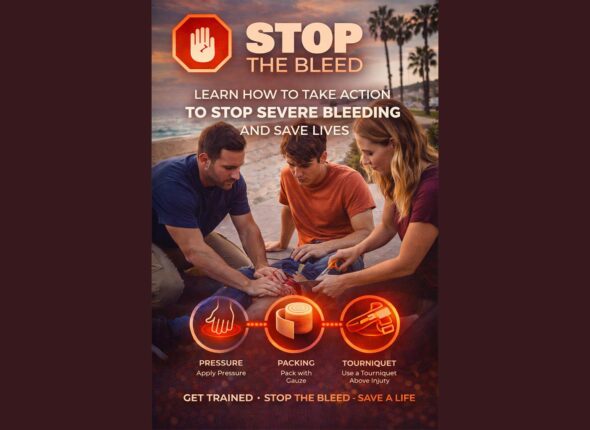
Bleeding Control
Special

Bleeding Control

6 Lessons
€300.00
Aeromedical Economics
Special

Aeromedical Economics

8 Lessons
€900.00
Sustainable Energy for Aviation
Special

Sustainable Energy for Aviation

1 Enrolled8 Lessons
€950.00
Picture2
1. Introduction to Air Aviation

1.1 History

3 Enrolled1 Lesson
FREE
Picture2
1. Introduction to Air Aviation

1.2 Aircraft and flight crews

3 Enrolled1 Lesson
FREE
2.1
2. Flight Physiology

2.1 The Earth’s atmosphere

2 Enrolled1 Lesson
€25.00
2.2
2. Flight Physiology

2.2 Gas lows

2 Enrolled1 Lesson
€25.00
  • 1
  • 2
  • 3
  • 4
favicon

Flight Med Institute is a specialized training center that provides online courses in aeromedical evacuation, first aid, trauma management, and crisis management.

Company

  • About Us
  • Scientific Governance & Professional Certification Structure
  • Collaborations
  • Contact

Information

  • FAQs
  • How to enroll
  • Payment methods
  • Refund and Returns Policy

Contact Us

Omirou 1, Ampelwnas, Greece

  • Phone : +30 69474430102
  • Email : support@flightmedinstitute.com
Facebook-f Youtube Linkedin-in
© Copyright 2026 Flight Med Institute | Developed By Babu
  • Privacy Policy
  • Terms
  • Cookies Policy
  • Legal Document
Manage Consent
To provide the best experiences, we use technologies like cookies to store and/or access device information. Consenting to these technologies will allow us to process data such as browsing behavior or unique IDs on this site. Not consenting or withdrawing consent, may adversely affect certain features and functions.
Functional Always active
The technical storage or access is strictly necessary for the legitimate purpose of enabling the use of a specific service explicitly requested by the subscriber or user, or for the sole purpose of carrying out the transmission of a communication over an electronic communications network.
Preferences
The technical storage or access is necessary for the legitimate purpose of storing preferences that are not requested by the subscriber or user.
Statistics
The technical storage or access that is used exclusively for statistical purposes. The technical storage or access that is used exclusively for anonymous statistical purposes. Without a subpoena, voluntary compliance on the part of your Internet Service Provider, or additional records from a third party, information stored or retrieved for this purpose alone cannot usually be used to identify you.
Marketing
The technical storage or access is required to create user profiles to send advertising, or to track the user on a website or across several websites for similar marketing purposes.

  • Manage options
  • Manage services
  • Manage {vendor_count} vendors
  • Read more about these purposes
View preferences
  • {title}
  • {title}
  • {title}