Skip to content
support@flightmedinstitute.com
+306947430102
Follow Us :
Aeromedical Professional Certification
Core Modules
1. Introduction to Air Aviation
2. Flight Physiology
3. Medical Aviation Safety
4. Aviation Psychology
5. Clinical Characteristics of Patients by System
6. Organizing Medical Aviation
7. Crisis Management
8. Trauma Management / General Rules
9. Resources Management
Foundation Courses
1.1 History
1.2 Aircraft and flight crews
2.1 The Earth’s atmosphere
2.2 Gas lows
2.3 Acceleration G- Force
3.1 Aircraft Emergencies
3.2 Crew safety
3.3 Compression / Decompression cabin
3.4 Decompression sickness
3.5 Orientation
3.6 The safety and protection of the crew
3.7 Alcohol
3.8 Diet and exercise
3.9 Fatique
3.10 Hypoxia
3.11 Sleep and Circadian Rhythms
4.1 Aviation psychology
4.2 Aviation psychology analysis
4.3 Mental health
5.1 Circulatory System
5.2 Respiratory & Circulatory system
5.3 Respiratory Diseases
5.4 Diseases of Gastrederic
5.5 Neurological
5.6 Othalmological diseases
5.7 Otorinological diseases
5.8 Musculoskeletal System
5.9 Haematological Disorders
5.10 Infectious Diseases
5.11 Pediatric Patient
5.12 Pregnant
5.13 Tooth Injuries
5.14 Nausea
5.15 Shock
5.16 Urological problems
5.17 Neonatal patient
5.18 Burning patient
5.19 Hemorrhagic Episode Management
6.1 Organizing medical aviation
6.2 Organizing a medical evacuation
6.3 Calculation of oxygen needs
6.4 Flight Stress
6.5 Specialized Equipment
6.6 Placing Billau
6.7 Using Ambu
6.8 Decompression Law
7.1 Triage
7.2 Treatment in Tactical field
7.3 Biological war
8.1 Introduction to trauma
8.2 Allergies & Allergy Emergencies
8.3 Anaphylaxis
8.4 Diabetes
8.5 Thermoregulation
8.6 Injuries Fractures
8.7 Cardiovascular diseases
8.8 BLS
8.9 Fainting syncope
8.10 Neurological Emergencies in Trauma
8.11 Choking
9.1 CRM
9.2 MRM
9.3 ORM
9.4 Human Error
1.1 History
1.2 Aircraft and flight crews
2.1 The Earth’s atmosphere
2.2 Gas lows
2.3 Acceleration G- Force
3.1 Aircraft Emergencies
3.2 Crew safety
3.3 Compression / Decompression cabin
3.4 Decompression sickness
3.5 Orientation
3.6 The safety and protection of the crew
3.7 Alcohol
3.8 Diet and exercise
3.9 Fatique
3.10 Hypoxia
3.11 Sleep and Circadian Rhythms
4.1 Aviation psychology
4.2 Aviation psychology analysis
4.3 Mental health
5.1 Circulatory System
5.2 Respiratory & Circulatory system
5.3 Respiratory Diseases
5.4 Diseases of Gastrederic
5.5 Neurological
5.6 Othalmological diseases
5.7 Otorinological diseases
5.8 Musculoskeletal System
5.9 Haematological Disorders
5.10 Infectious Diseases
5.11 Pediatric Patient
5.12 Pregnant
5.13 Tooth Injuries
5.14 Nausea
5.15 Shock
5.16 Urological problems
5.17 Neonatal patient
5.18 Burning patient
5.19 Hemorrhagic Episode Management
6.1 Organizing medical aviation
6.2 Organizing a medical evacuation
6.3 Calculation of oxygen needs
6.4 Flight Stress
6.5 Specialized Equipment
6.6 Placing Billau
6.7 Using Ambu
6.8 Decompression Law
7.1 Triage
7.2 Treatment in Tactical field
7.3 Biological war
8.1 Introduction to trauma
8.2 Allergies & Allergy Emergencies
8.3 Anaphylaxis
8.4 Diabetes
8.5 Thermoregulation
8.6 Injuries Fractures
8.7 Cardiovascular diseases
8.8 BLS
8.9 Fainting syncope
8.10 Neurological Emergencies in Trauma
8.11 Choking
9.1 CRM
9.2 MRM
9.3 ORM
9.4 Human Error
Professional Courses
Account
0
Currently Empty:
€
0
,00
Continue shopping
Aeromedical Professional Certification
Core Modules
1. Introduction to Air Aviation
2. Flight Physiology
3. Medical Aviation Safety
4. Aviation Psychology
5. Clinical Characteristics of Patients by System
6. Organizing Medical Aviation
7. Crisis Management
8. Trauma Management / General Rules
9. Resources Management
Foundation Courses
1.1 History
1.2 Aircraft and flight crews
2.1 The Earth’s atmosphere
2.2 Gas lows
2.3 Acceleration G- Force
3.1 Aircraft Emergencies
3.2 Crew safety
3.3 Compression / Decompression cabin
3.4 Decompression sickness
3.5 Orientation
3.6 The safety and protection of the crew
3.7 Alcohol
3.8 Diet and exercise
3.9 Fatique
3.10 Hypoxia
3.11 Sleep and Circadian Rhythms
4.1 Aviation psychology
4.2 Aviation psychology analysis
4.3 Mental health
5.1 Circulatory System
5.2 Respiratory & Circulatory system
5.3 Respiratory Diseases
5.4 Diseases of Gastrederic
5.5 Neurological
5.6 Othalmological diseases
5.7 Otorinological diseases
5.8 Musculoskeletal System
5.9 Haematological Disorders
5.10 Infectious Diseases
5.11 Pediatric Patient
5.12 Pregnant
5.13 Tooth Injuries
5.14 Nausea
5.15 Shock
5.16 Urological problems
5.17 Neonatal patient
5.18 Burning patient
5.19 Hemorrhagic Episode Management
6.1 Organizing medical aviation
6.2 Organizing a medical evacuation
6.3 Calculation of oxygen needs
6.4 Flight Stress
6.5 Specialized Equipment
6.6 Placing Billau
6.7 Using Ambu
6.8 Decompression Law
7.1 Triage
7.2 Treatment in Tactical field
7.3 Biological war
8.1 Introduction to trauma
8.2 Allergies & Allergy Emergencies
8.3 Anaphylaxis
8.4 Diabetes
8.5 Thermoregulation
8.6 Injuries Fractures
8.7 Cardiovascular diseases
8.8 BLS
8.9 Fainting syncope
8.10 Neurological Emergencies in Trauma
8.11 Choking
9.1 CRM
9.2 MRM
9.3 ORM
9.4 Human Error
1.1 History
1.2 Aircraft and flight crews
2.1 The Earth’s atmosphere
2.2 Gas lows
2.3 Acceleration G- Force
3.1 Aircraft Emergencies
3.2 Crew safety
3.3 Compression / Decompression cabin
3.4 Decompression sickness
3.5 Orientation
3.6 The safety and protection of the crew
3.7 Alcohol
3.8 Diet and exercise
3.9 Fatique
3.10 Hypoxia
3.11 Sleep and Circadian Rhythms
4.1 Aviation psychology
4.2 Aviation psychology analysis
4.3 Mental health
5.1 Circulatory System
5.2 Respiratory & Circulatory system
5.3 Respiratory Diseases
5.4 Diseases of Gastrederic
5.5 Neurological
5.6 Othalmological diseases
5.7 Otorinological diseases
5.8 Musculoskeletal System
5.9 Haematological Disorders
5.10 Infectious Diseases
5.11 Pediatric Patient
5.12 Pregnant
5.13 Tooth Injuries
5.14 Nausea
5.15 Shock
5.16 Urological problems
5.17 Neonatal patient
5.18 Burning patient
5.19 Hemorrhagic Episode Management
6.1 Organizing medical aviation
6.2 Organizing a medical evacuation
6.3 Calculation of oxygen needs
6.4 Flight Stress
6.5 Specialized Equipment
6.6 Placing Billau
6.7 Using Ambu
6.8 Decompression Law
7.1 Triage
7.2 Treatment in Tactical field
7.3 Biological war
8.1 Introduction to trauma
8.2 Allergies & Allergy Emergencies
8.3 Anaphylaxis
8.4 Diabetes
8.5 Thermoregulation
8.6 Injuries Fractures
8.7 Cardiovascular diseases
8.8 BLS
8.9 Fainting syncope
8.10 Neurological Emergencies in Trauma
8.11 Choking
9.1 CRM
9.2 MRM
9.3 ORM
9.4 Human Error
Professional Courses
Account
Course Category:
3. Medical Aviation Safety
Home
Course
Special
Aviation Crisis Management
11 Lessons
€
800.00
Special
Self Aid Pilot School
13 Lessons
€
1,000.00
Special
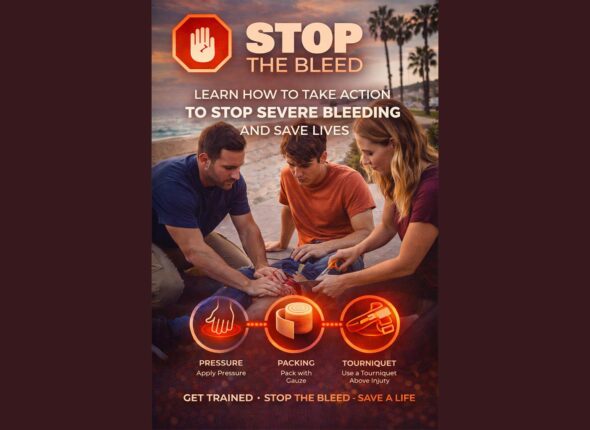
Bleeding Control
6 Lessons
€
300.00
Special
Aeromedical Economics
8 Lessons
€
900.00
Special
Sustainable Energy for Aviation
1 Enrolled
8 Lessons
€
950.00
1. Introduction to Air Aviation
1.1 History
3 Enrolled
1 Lesson
FREE
1. Introduction to Air Aviation
1.2 Aircraft and flight crews
3 Enrolled
1 Lesson
FREE
2. Flight Physiology
2.1 The Earth’s atmosphere
2 Enrolled
1 Lesson
€
25.00
2. Flight Physiology
2.2 Gas lows
2 Enrolled
1 Lesson
€
25.00
1
2